Conventional machining: lathe, milling, drilling and tapping

Conventional machining: lathe, milling, drilling and tapping

Steel processing options

What machining operation do you need?

Choose the operation closest to your part. To quote, we need material, dimensions, tolerances, quantity and a legible drawing or sketch.

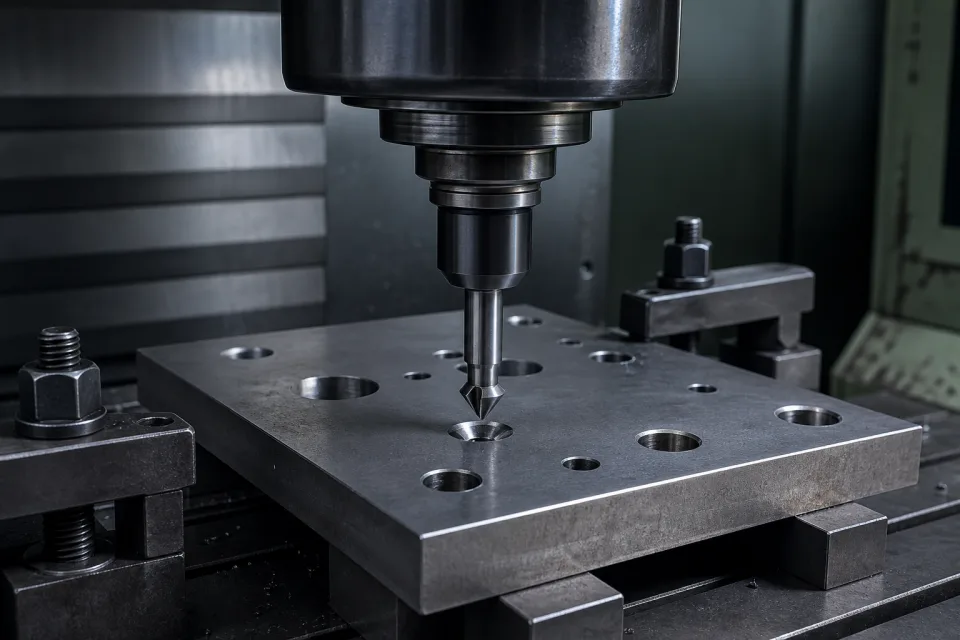
Drilling and countersinking a steel plate on a conventional milling machine

Drilling and countersinking

We produce holes and countersinks in plates, profiles and components according to drawing-defined positions.

  • Specified diameters, depths and patterns.
  • Countersinks for fastening components.
  • Drawing-defined references and critical dimensions.
Quote drilling
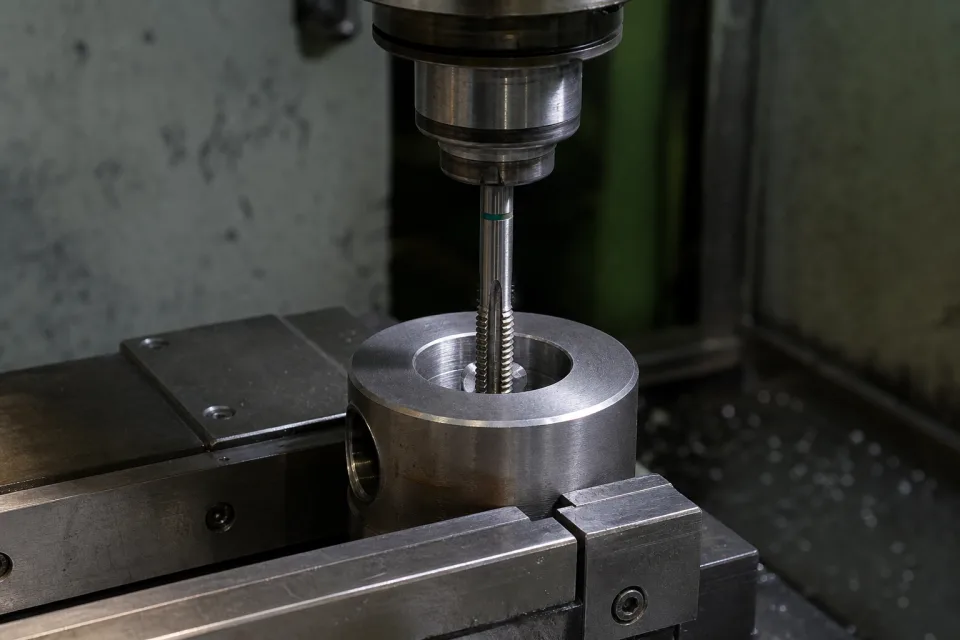
Machine tapping an internal thread in a steel component

Part tapping

We prepare drawing-defined threads for component assembly, fastening or connection.

  • Specified diameter, pitch and depth.
  • Threads in parts, plates or components.
  • Material and quantity subject to technical review.
Quote tapping
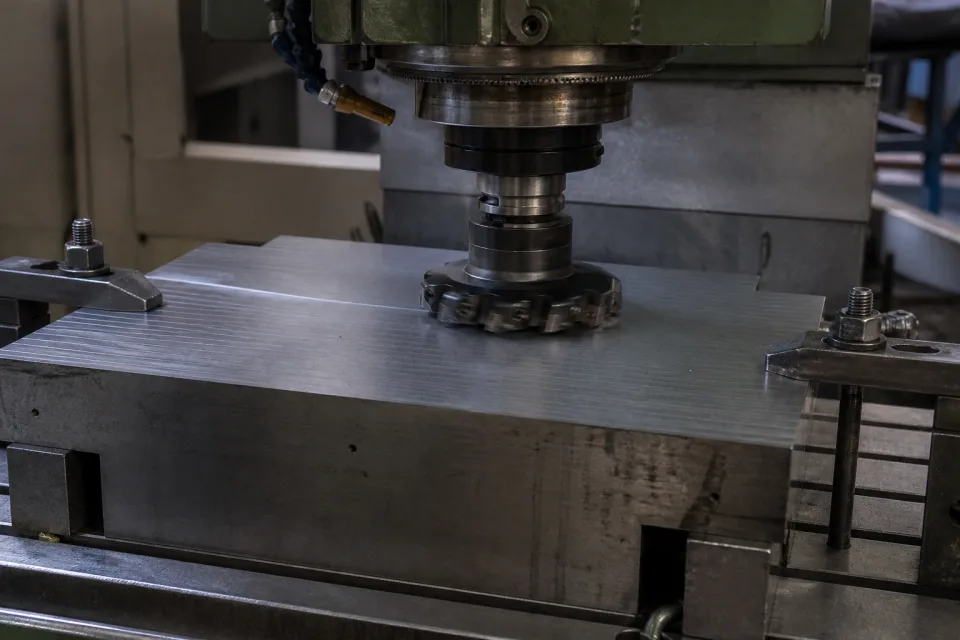
Face machining a steel plate with a milling cutter

Plate and face machining

We machine reference surfaces and flat faces for preparation, support or subsequent assembly.

  • Drawing-defined reference faces.
  • Specified machining allowance and final thickness.
  • Finish and tolerance subject to review.
Quote face machining
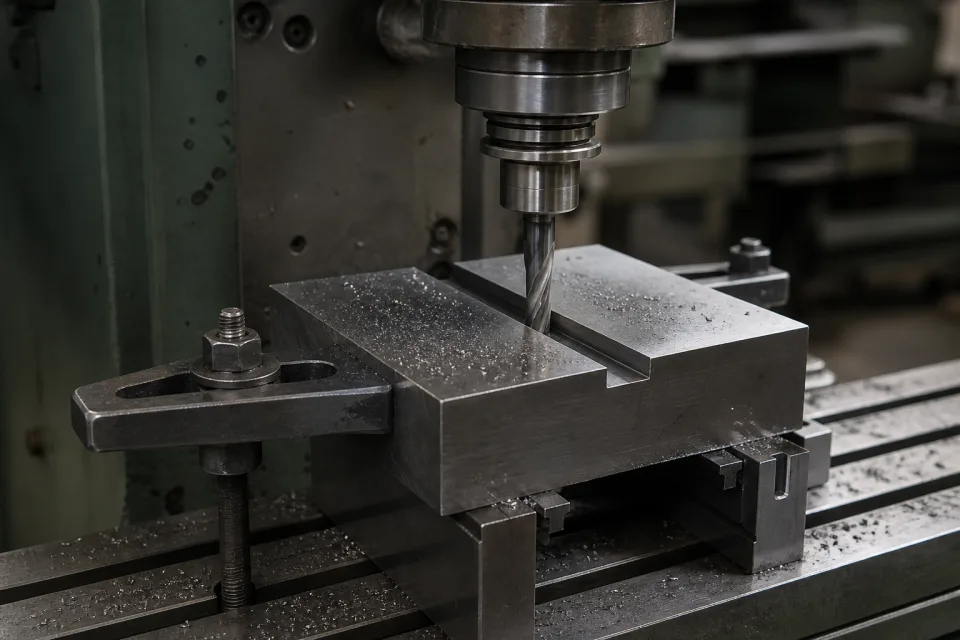
Machining a straight slot in a steel block

Slots and keyways

We machine slots, pockets and keyways for guides, fits or assembly features defined in the drawing.

  • Specified width, length and depth.
  • Position relative to part references.
  • Geometry and radii reviewed before production.
Quote slots
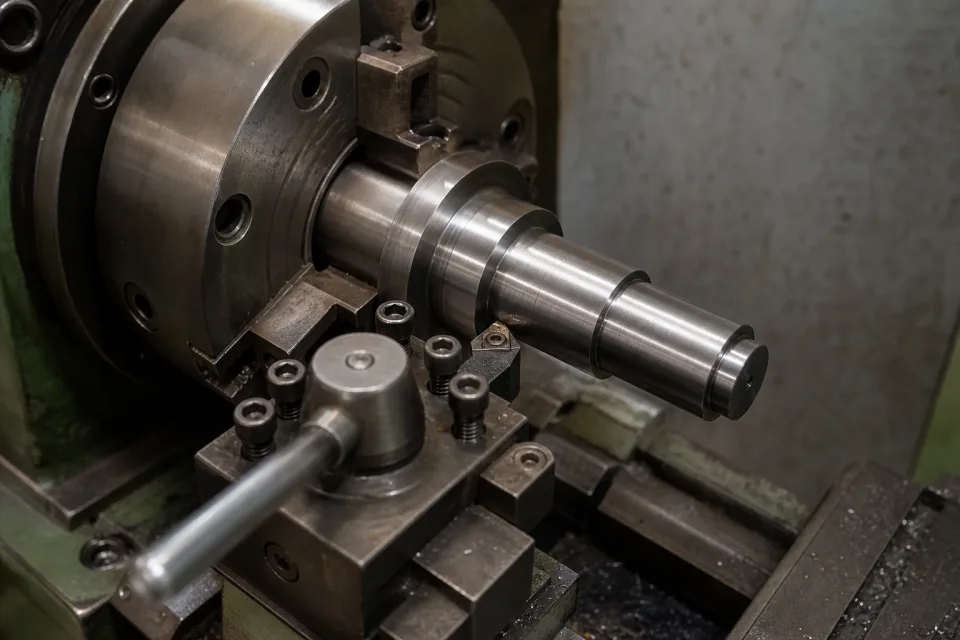
Turning a cylindrical steel part with stepped diameters

Cylindrical part turning

We review cylindrical parts with diameters, faces, shoulders or grooves that require lathe work.

  • Drawing-defined diameters and lengths.
  • Faces, shoulders and grooves to geometry.
  • Confirmed material, machining allowance and quantity.
Quote turning
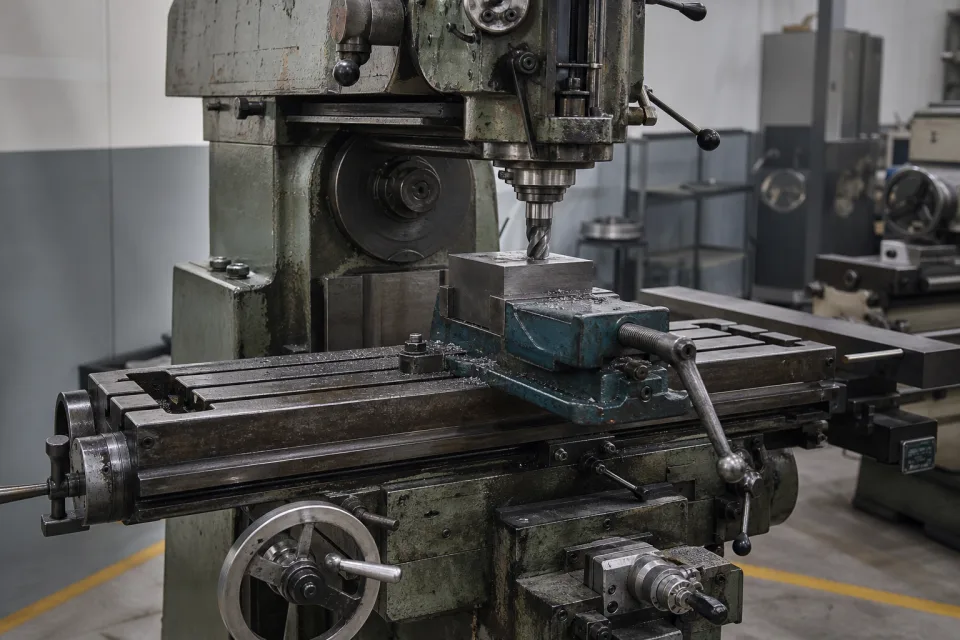
Milling a steel part on a conventional manual milling machine

Conventional milling

We machine parts and plates on a conventional mill to produce faces, shoulders, pockets and other drawing-defined geometries.

  • Steel or aluminum parts subject to review.
  • Faces, shoulders, slots and pockets.
  • One-off parts, short runs or repeat work.
Quote milling

Description

We machine steel or aluminum plates, profiles and components on conventional lathes and milling machines to produce holes, threads, faces, slots and drawing-defined geometries. Each part is reviewed according to material, machining allowance, tolerances, quantity, finish and inspection requirements.

Presentation

  • Drilling and countersinking of plates and profiles.
  • Tapping, facing, milling and slotting on conventional lathes or milling machines.
  • Short runs and repeat production with dimensional review.

Uses

  • Base plates, flanges and fastening components.
  • Machined parts for equipment and heavy fabrication.
  • Preparation of welded assemblies before final assembly.

Features

  • Tolerances reviewed against customer drawings.
  • Machined features prepared for subsequent operations.
  • Dimensional reporting reviewed when requested.

Information

You do not need to know the exact process name. Share the drawing, sample or part function and we will review whether it requires drilling, tapping, facing, slotting, conventional turning or milling.

What to consider

  • Provide a drawing with clear dimensions, tolerances and references.
  • Specify material, supply condition and quantity.
  • State finish, threads, treatment or inspection requirements where applicable.

Service and delivery

Machining is quoted in General Escobedo; collection or delivery is coordinated according to parts, weight and destination.

Frequently asked questions

What should a machining drawing include?

Material, dimensions, tolerances, datums or references, threads, surface finish, quantity and drawing revision.

Can a sample be used for quoting?

A sample can support review, but an approved drawing reduces ambiguity and defines tolerances.

Do you machine steel and aluminum parts?

Steel or aluminum parts, plates and components are reviewed according to material, dimensions, geometry, tolerances and quantity.

What type of machinery do you use?

The work is performed on conventional lathes and milling machines. The process is selected according to each part's geometry, material, tolerances and quantity.

Do you handle one-off parts and production runs?

We can review individual parts, short runs and repeat production. Feasibility and process are confirmed from the drawing and quantity.

Can a dimensional report be included?

If required, state it in the enquiry so scope, critical features and format can be reviewed.